
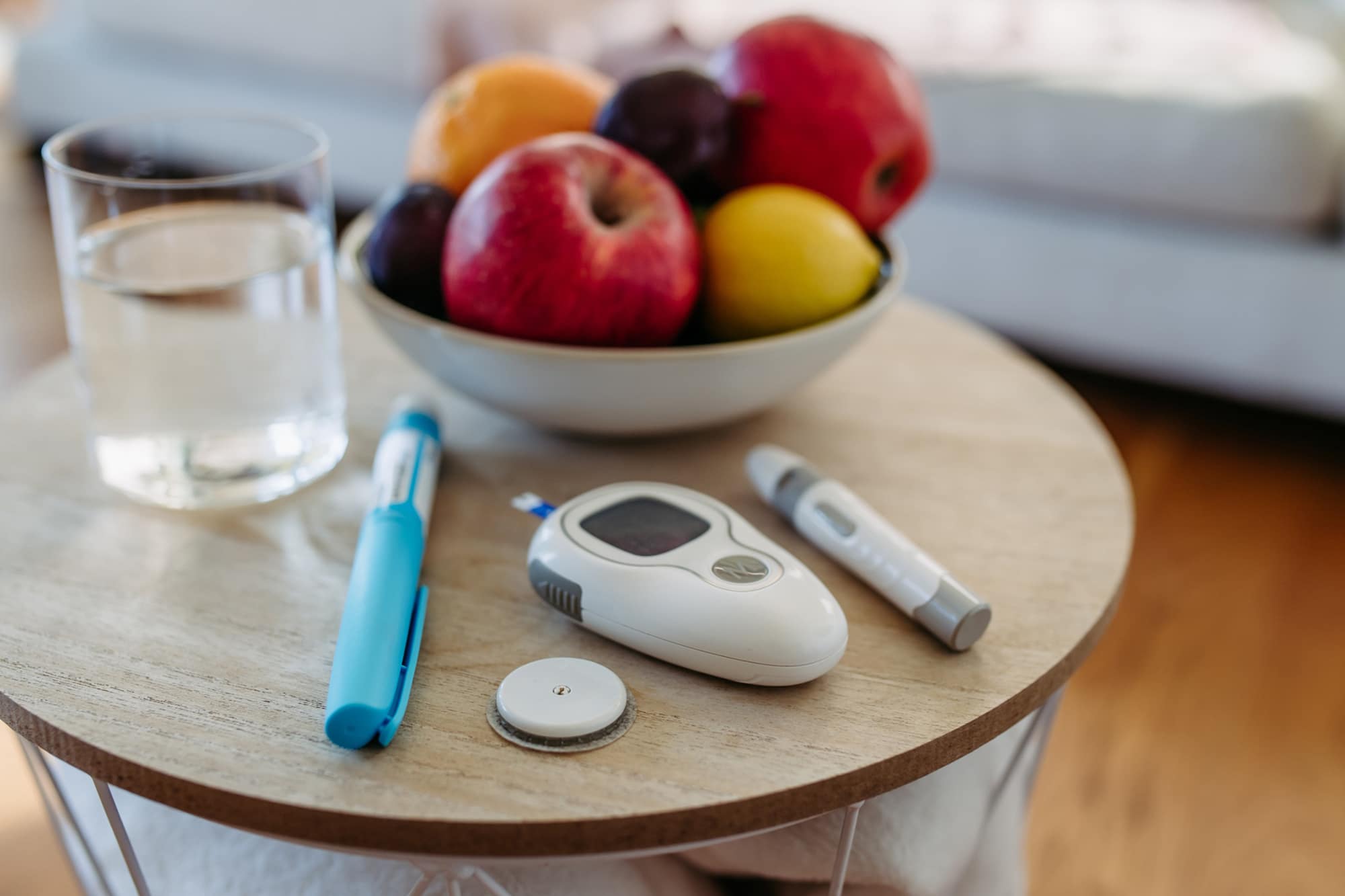
The National Health Laboratory Service (NHLS) has launched a new Diabetes Dashboard to provide public health workers with near-real-time visibility into patient management across the country. According to the NHLS, the platform helps clinicians and programme managers spot poor glucose control earlier, allowing them to intervene more quickly. This tool arrives as civil society and health leaders increasingly frame diabetes as a national health crisis.

This shift carries significant weight because manual processes have historically slowed diabetes monitoring in the public sector. The NHLS notes that staff previously collected diabetes data by hand and shared it through monthly Excel reports. That delayed the identification of patients needing urgent follow-up and made it harder for facilities and districts to respond quickly.
With the new system, the NHLS refreshes laboratory data within 48 hours, offering what it calls a “near-real-time, nationwide view” of diabetes control. This means facility teams can see updated results far sooner than before. As a result, they can act earlier when readings suggest a patient is at high risk of complications.
Diabetes Dashboard Gives 48-Hour Lab Updates
According to the NHLS, the core improvement is speed. Clinicians can now view laboratory results that inform diabetes control much faster, as the system updates records within 48 hours. NHLS CEO Prof Koleka Mlisana says this shift changes how the public system uses laboratory data.
For frontline teams, faster data can mean faster action. Clinicians can identify patients with poor control earlier. Programme managers can track whether interventions are working. Facilities can prioritise follow-up for those most likely to develop complications.
The NHLS, the Gauteng Department of Health, and the Wits Diagnostic Innovation Hub are implementing the dashboard through a formal partnership. The NHLS positions the system as a practical tool that supports both patient-level decision-making and broader service planning.
Diabetes Dashboard Helps Target Pressure Points
Beyond individual clinical care, the NHLS says the platform will help health managers see where diabetes control is weakest. That matters for a system under strain, where staffing, access to medicines, and follow-up capacity vary across districts.
The NHLS intends the dashboard to support more precise planning by highlighting areas of struggle. Managers can direct support to clinics with the poorest control rates. Additionally, they can investigate barriers such as missed appointments or medicine stock-outs. They can also monitor whether corrective steps are improving outcomes.
This also speaks to a wider policy agenda. The NHLS says the initiative supports South Africa’s National Strategic Plan For The Prevention and Control of Non-Communicable Diseases (2022–2027). One of the plan’s targets is that at least 50% of people receiving diabetes treatment should have their condition properly controlled.
What Healthcare Operators Should Watch
For healthcare leaders, the near-term question is how quickly the dashboard translates into better follow-up, stronger medicine adherence, and fewer admissions linked to uncontrolled diabetes. The value will depend on whether clinics have the capacity to act on the insights. They must not only view them, but also use them.
If used well, the dashboard could serve as a model for other non-communicable diseases. In these cases, lab data and early action can prevent costly complications.
Read the Original Article (May require a subscription)