
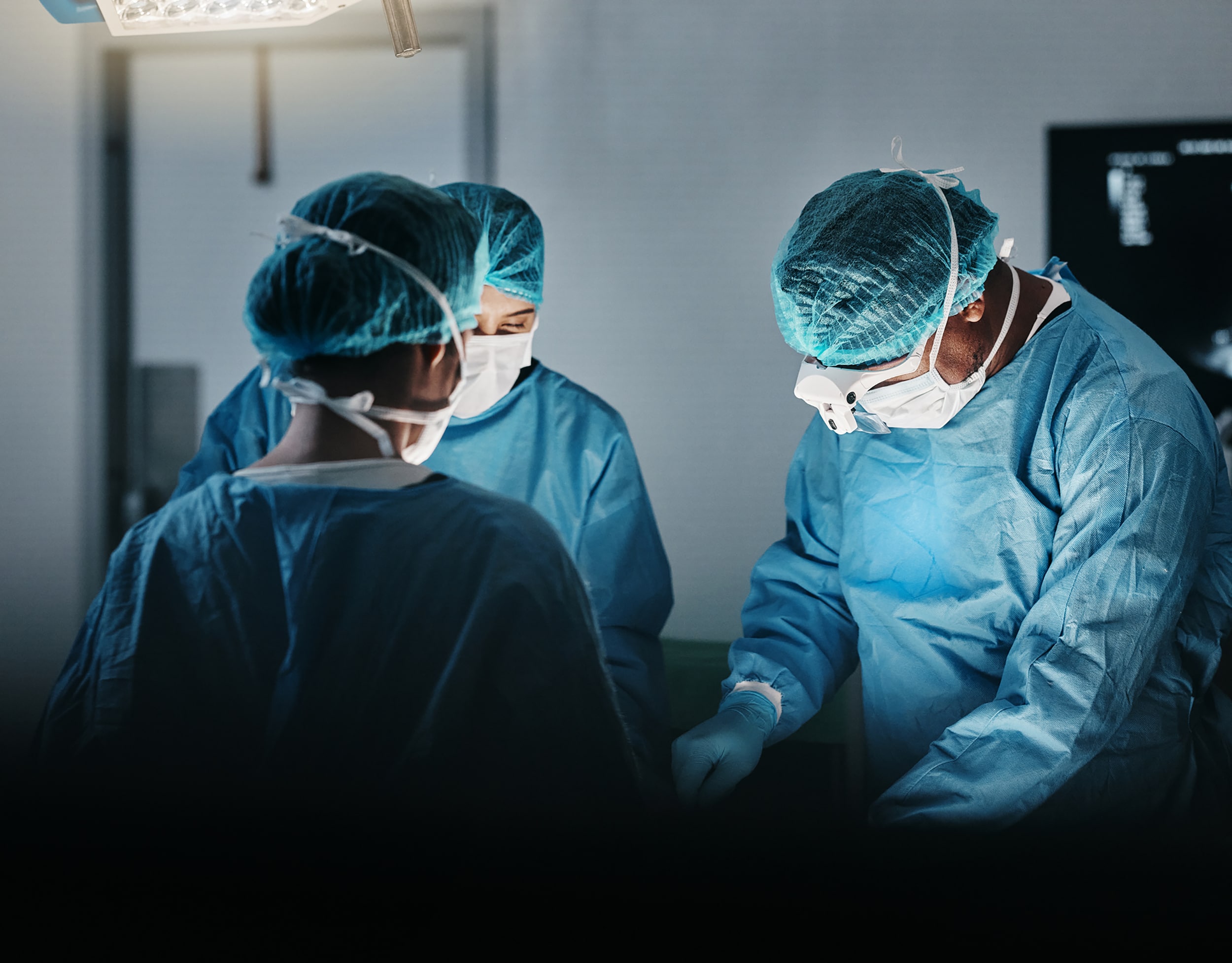
The Gauteng Department of Health has launched a comprehensive strategy to overhaul surgical waiting times across the province. This initiative specifically addresses the Gauteng surgical backlog, with the public healthcare system grappling with over 30,600 patients awaiting surgery.
While the figures are significant, officials maintain that these numbers reflect years of accumulated pressure rather than a sudden breakdown.
The system currently manages the cases as follows:
Legacy Cases: Approximately 29,969 cases fall into the "legacy" category, representing patients who began waiting before the current reform drive.
Routine Flow: Only 631 cases make up the routine, current service flow.
Addressing the Root Causes of System Pressure
The department has been transparent about the factors contributing to these delays. A primary issue is the high volume of referrals to tertiary and central hospitals. These facilities often face infrastructure constraints and equipment shortages.
Furthermore, the healthcare workforce remains stretched. External factors have also played a role in slowing down clinical output. For example, water supply disruptions across parts of Gauteng last year led to numerous surgical cancellations. By forcing hospitals to postpone elective procedures to manage emergencies, these disruptions directly increased the Gauteng surgical backlog reform target numbers.
Implementing the TTG Dashboard for Real-Time Tracking
A cornerstone of the new strategy is the Treatment Time Guarantees (TTG) surgical backlog platform. This digital dashboard provides administrators with real-time visibility into waiting lists. By tracking cases at an individual level, the department aims to improve coordination between different medical facilities.
The TTG platform represents a shift towards a data-driven approach. It allows for more clinically informed decisions regarding patient scheduling. Although the digitisation of historical paper records is still ongoing, the department views this as a vital step in modernising the provincial health system.
Scaling Operations Through Gauteng Surgical Backlog Reforms
To physically reduce the number of patients waiting, hospitals are now extending their operating hours. The department is organising "surgical marathons" on weekends and after-hours. These sessions focus on high-volume, priority procedures to clear the queue faster.
To support this surge in activity, a recruitment drive for specialised clinicians is underway. Officials are also implementing better maintenance protocols for critical equipment to ensure operating theatres remain functional.
Balancing Emergency Care and Elective Procedures
Interestingly, the department suggests that the persistent backlog is partly a byproduct of improved efficiency elsewhere. As the system improves its treatment of emergency and high-acuity cases, hospitals often deprioritise elective surgeries.
The current reforms aim to find a balance. By validating existing lists and ensuring accurate resource allocation, the department hopes to provide a more predictable timeline for all patients. The focus remains on tertiary hospitals where the demand for specialised surgery is highest.
Read the Original Article (May require a subscription)