
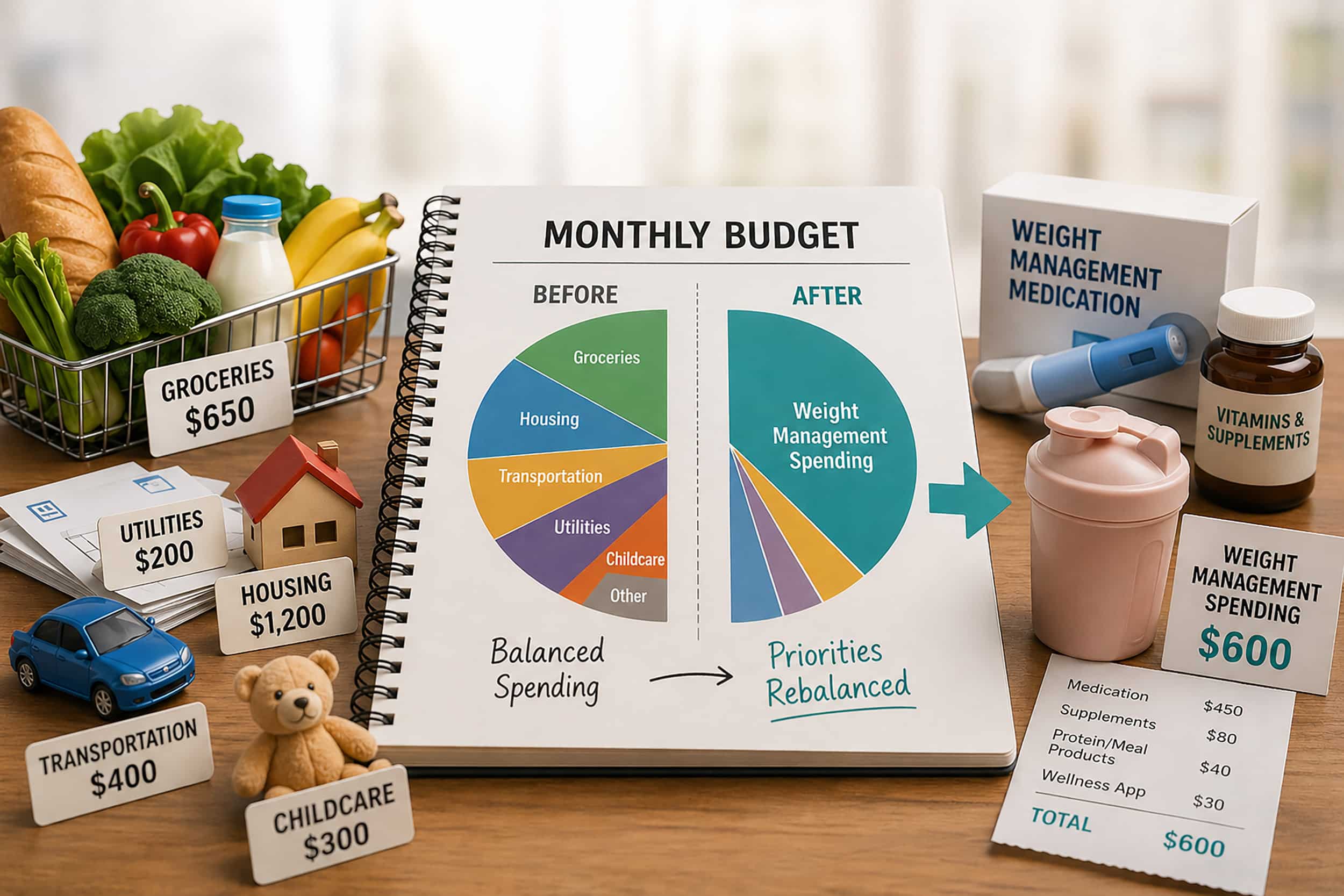
South Africans are opening their wallets in pursuit of better health. But this is not only about occasional wellness treats. A new pattern is forming in everyday spending. Weight management is moving from a personal goal to a budget line item, according to new findings from Visa and Discovery Bank.
The report shows that supplements and vitamins still account for the largest share of “health spend”. Yet the momentum is shifting. More consumers are paying for fitness support, structured weight-loss programmes, and cosmetic procedures. This suggests health is becoming a more consistent part of monthly household planning, rather than a once-off purchase.
The data combines Visa’s payments dataset with transactional insights from Discovery Bank. It also includes a survey of 1,000 credit card users earning more than R100,000 a year, which is about half the average annual household income.
Weight Management Spending Moves Into Mainstream Care
Weight-loss services are no longer niche. About 16% of surveyed consumers said they had spent money on dietitians or weight-loss clinics. Demand was strongest among women, people aged 26 to 40, and residents of Cape Town.
This is a notable shift for private healthcare providers and health retailers. It signals that professional support is being treated as a routine choice for a growing segment. It also hints at increased pressure on household budgets, as services like dietetics and structured clinics can carry recurring costs.
GLP-1 Medicines Push Weight Management Spending Higher
Medication is also playing a growing role. The report found that 14% of respondents used weight-loss medicines, including semaglutides and other GLP-1 therapies. Uptake rises among younger consumers and Pretoria residents, and it skews slightly higher among men.
Consumers who use prescribed weight-loss medicines also report broader changes in lifestyle spending. Nearly six in 10 said they now spend more on healthier foods. At the same time, 48% said they spend less on takeaways and restaurant meals, while 45% said they have reduced alcohol spend.
One of the more striking findings is that 38% reported that their overall grocery spending has declined. That points to changes not only in what people buy, but also in quantities and habits. For retailers and food brands, it signals that “healthy basket” strategies may need to account for value sensitivity and reduced volumes.
Cheaper Local Alternatives Could Accelerate the Shift
The weight-management trend may speed up if prices fall. Aspen Pharmacare is aiming to be among the first to introduce a locally produced GLP-1 drug. If successful, it could expand access in a highly price-sensitive market and deepen the spending shift already visible in the data.
For healthcare funders and providers, that raises new questions. Demand could broaden beyond higher earners. It could also change utilisation patterns, with more consumers seeking follow-up support, monitoring, and nutrition guidance.
Read the Original Article (May require a subscription)